
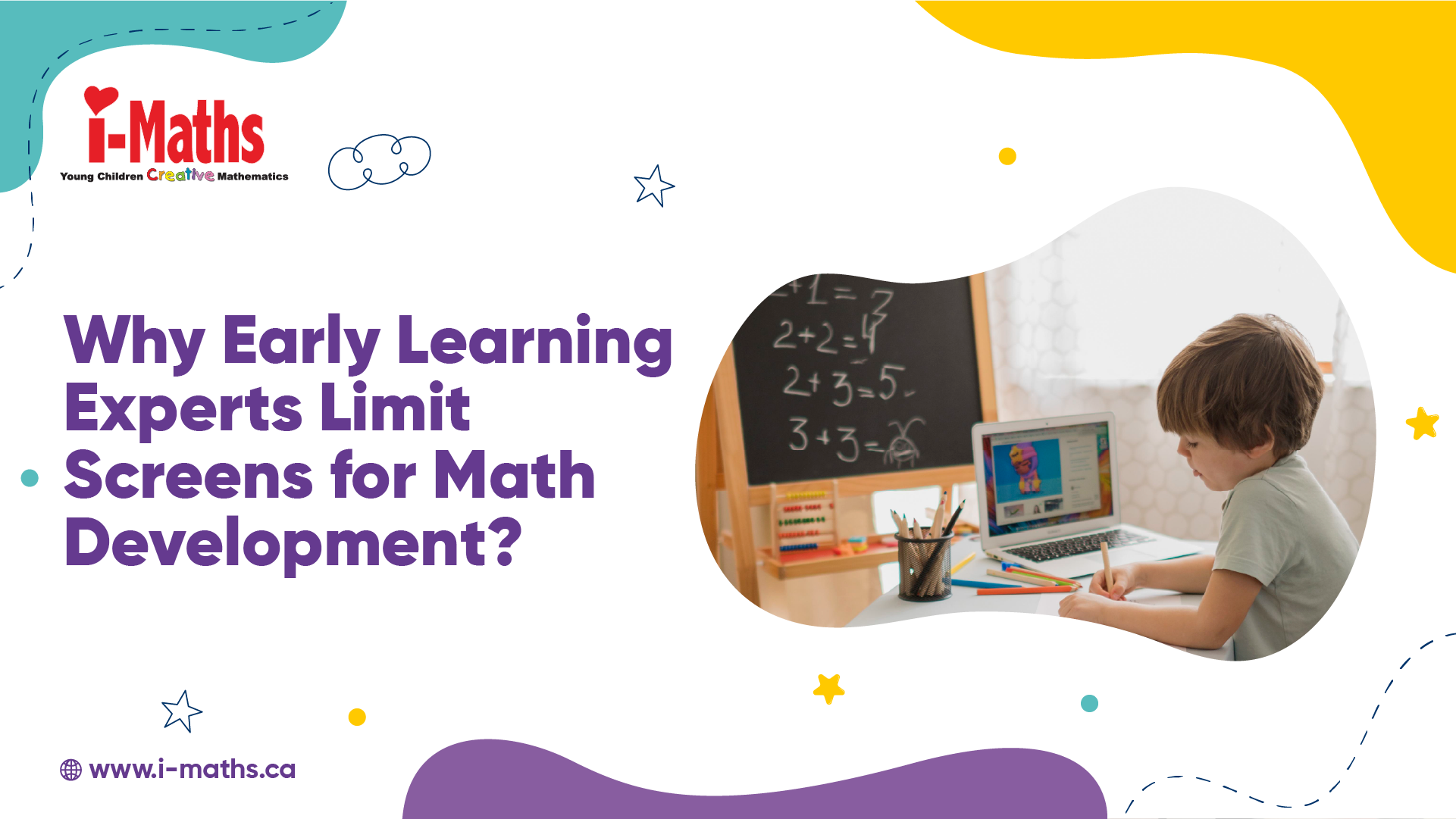
Screens are everywhere today, and it’s understandable that parents wonder whether apps and videos are necessary for early learning. But when it comes to toddlers, learning works best when it’s active, hands-on, and rooted in everyday experiences. At this age, children don’t need flashy visuals to understand numbers or patterns—they need movement, interaction, and play.
That’s why screen-free math activities have such a powerful impact. Simple, intentional moments—counting objects, sorting shapes, or building with blocks—support curiosity and thinking in ways screens can’t. Programs like i-Maths are built around this understanding, focusing on how young children actually learn. In this blog, we’ll explore why screen-free learning works, practical activities parents can try, and how these experiences support early development.
Why Screen-Free Math Works Better for Toddlers
At this age, learning happens through touch, movement, and interaction—not tapping screens.
1. Toddlers Learn Through Physical Exploration
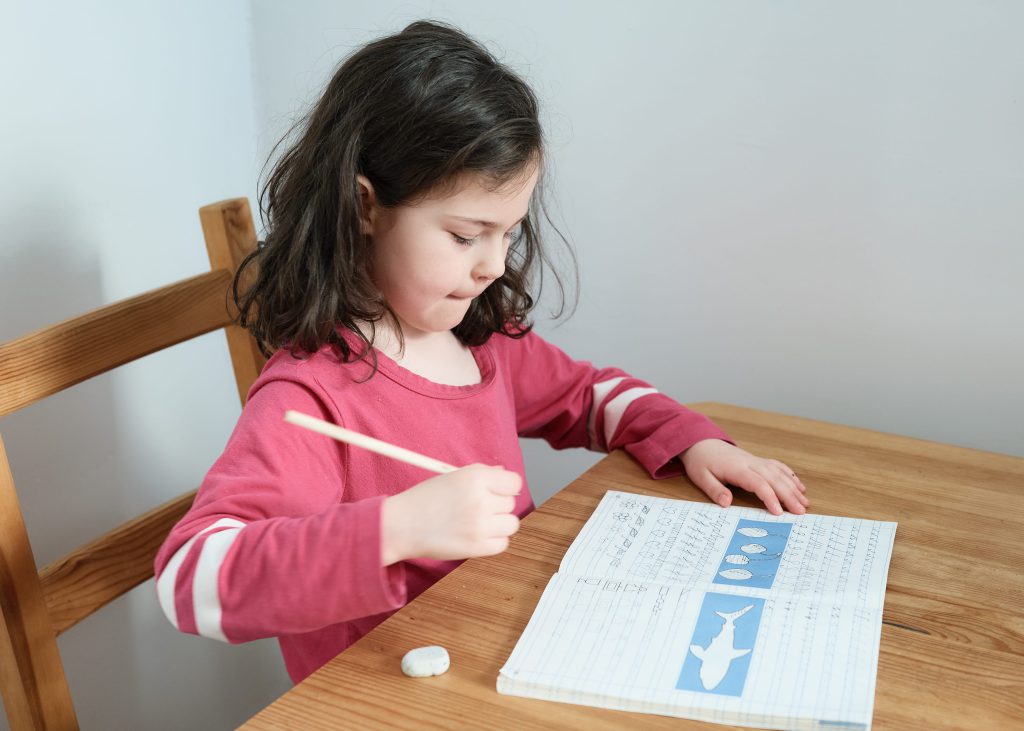
Toddlers make sense of the world by touching, moving, and experimenting. When they pick up objects, compare sizes, or stack items, they’re building early math understanding naturally. These toddler activities help concepts stick because learning is tied to real experiences.
2. Screen-Free Learning Builds Stronger Focus
Screens often encourage quick attention shifts, while hands-on play invites deeper engagement. When toddlers interact with physical materials, they stay focused longer and explore ideas more fully. This kind of attention is essential for meaningful early learning.
3. Better Language and Thinking Development
Math play without screens creates space for conversation. Talking through actions, choices, and outcomes strengthens language and reasoning at the same time. These interactions help toddlers connect words to ideas and actions.
4. Reduced Overstimulation, Better Learning
Calmer learning environments help toddlers process information more effectively. Screen-free play reduces distractions and allows children to engage at their own pace. This leads to deeper understanding and more confident exploration.
10 Screen-Free Math Activities That Really Work for Toddlers
These activities use everyday objects and playful moments to build early math naturally.
1. Sorting Objects by Color or Size
Sorting toys, clothes, or household items helps toddlers notice similarities and differences. This simple activity builds categorization skills and early logic. It’s one of the easiest screen-free math activities to introduce at home.
2. Counting Everyday Items
Counting snacks, steps, or toys turns routine moments into learning opportunities. Repetition helps toddlers become familiar with numbers without pressure. Over time, this builds comfort and confidence with counting.
3. Shape Hunt Around the House
Looking for circles, squares, and triangles around the home helps toddlers recognize shapes in real life. This activity strengthens visual awareness and connects math to their environment. It also keeps learning playful and engaging.
4. Stacking and Building Games
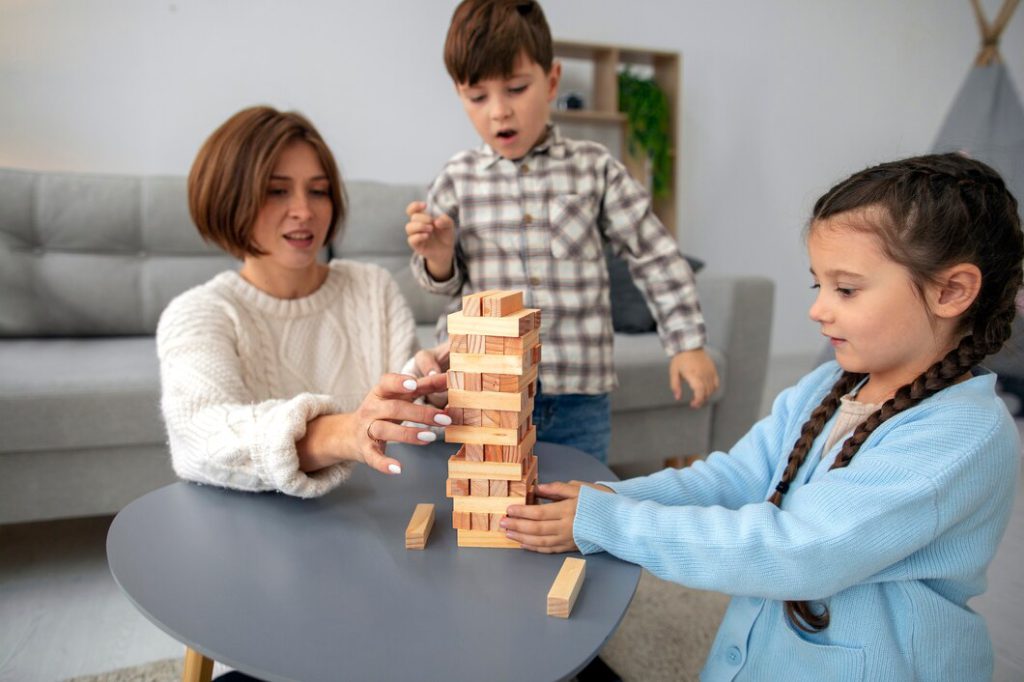
Blocks, cups, or boxes encourage toddlers to experiment with balance and space. As structures grow or fall, children learn through observation and adjustment. These toddler activities quietly develop problem-solving skills.
5. Matching Games with Household Items
Matching socks, lids, or containers strengthens memory and visual recognition. Toddlers learn to compare and pair items while staying actively engaged. This hands-on approach supports early reasoning.
6. Simple Pattern Play
Repeating colors, movements, or objects introduces toddlers to patterns. Recognizing what comes next builds prediction skills and logical thinking. Pattern play lays the groundwork for more advanced math later.
7. Measuring with Hands or Cups
Using hands, spoons, or cups to compare quantities introduces basic measurement concepts. Toddlers begin to understand ideas like more, less, and equal. These concepts become meaningful through experience, not explanation.
8. Puzzle Play and Shape Sorters
Puzzles and shape sorters challenge toddlers to think spatially. When a piece doesn’t fit, children naturally try new approaches. This trial-and-adjust process strengthens persistence and reasoning.
9. Counting Through Songs and Rhymes
Songs and rhymes combine rhythm, language, and numbers in a joyful way. Repetition through music makes counting feel natural and memorable. It’s a powerful way to support early learning without screens.
10. Everyday Math Conversations
Simple questions like “Which is bigger?” or “What comes next?” turn daily routines into learning moments. These conversations help toddlers articulate their thinking. Over time, math becomes part of how they understand the world.
What Toddlers Actually Learn from Screen-Free Math Play
These activities build far more than number recognition.
1. Stronger Early Math Foundations
Hands-on experiences help toddlers understand quantity, comparison, and patterns. These foundations support future learning without overwhelming children. Consistent exposure strengthens confidence with numbers.
2. Improved Cognitive and Thinking Skills
Screen-free play supports memory, focus, and reasoning. Toddlers learn to observe, decide, and respond thoughtfully. These skills form the backbone of effective early learning.
3. Better Problem-Solving from an Early Age
When toddlers experiment and adjust during play, they learn how to handle challenges. This process builds resilience and flexibility. Problem-solving becomes a habit rather than a struggle.
4. Higher Confidence and Independence
Completing simple tasks independently builds self-belief. Toddlers feel capable when they succeed through effort. This confidence encourages curiosity and exploration.
5. Healthier Learning Habits for the Future
Positive, screen-free experiences shape how children view learning. When learning feels enjoyable and manageable, children remain open to new challenges. These habits last well beyond the toddler years.
How i-Maths Supports Screen-Free Early Math Learning
Structured guidance makes screen-free learning more effective.
Hands-On, Age-Appropriate Learning Methods
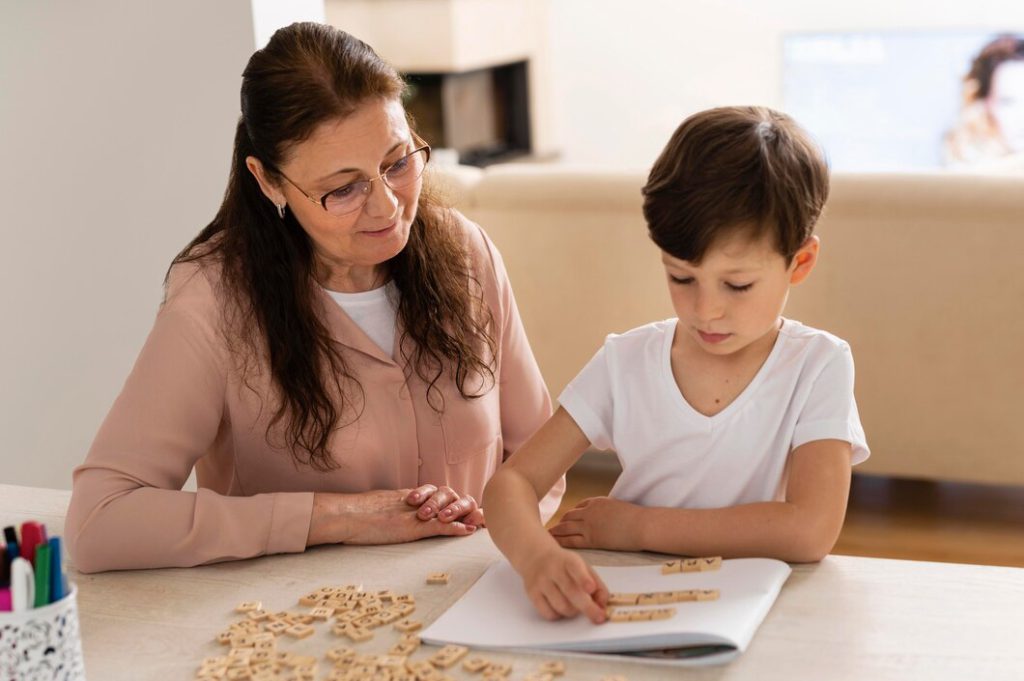
i-Maths uses activities designed specifically for how young children learn best. Lessons focus on interaction, exploration, and understanding rather than passive consumption. This keeps learning active and meaningful.
Guided Progression Without Screen Dependency
A structured approach ensures concepts build gradually over time. Children move forward with confidence, supported by consistency and repetition. This balance enhances the impact of screen-free math activities.
Building Thinking Skills Through Play
Play-based learning encourages reasoning and curiosity. Children develop skills naturally without pressure or memorization. Parents interested in nurturing imagination alongside learning may find helpful insights in this blog on preschooler imagination without screens.
Simple Screen-Free Activities, Powerful Learning Outcomes
Toddlers don’t need screens to build strong math foundations. Through thoughtful, hands-on play, children develop confidence, curiosity, and essential thinking skills. These moments—simple yet intentional—shape how children approach learning long before formal schooling begins.
By choosing meaningful screen-free math activities, parents support deeper understanding and healthier learning habits. If you’re looking for structured, age-appropriate guidance that aligns with how toddlers learn best, i-Maths offers a supportive, play-based approach designed to nurture early thinkers.
Give your child a strong start without screen dependency. Take the next step in your child’s learning journey and enroll with i-Maths today.
FAQs:
Yes, screen-free math activities support hands-on exploration, which helps toddlers understand concepts more deeply through movement, touch, and interaction.
Toddlers can begin learning basic math concepts as early as 2–3 years old through simple, play-based activities that feel natural and pressure-free.
Short sessions of 5–10 minutes are ideal, as toddlers learn best through frequent, playful interactions rather than long, structured lessons.
Yes, toddler activities that are screen-free strengthen attention, language, and thinking skills, supporting well-rounded early learning development.
For toddlers, hands-on activities are often more effective than apps because they encourage active participation and real-world understanding.
Structured programs guide play-based learning in a progressive way, ensuring toddlers build strong early learning foundations without relying on screens.