
It’s one of the most common questions parents ask before their child starts school—and honestly, one of the hardest to answer.
You might notice your child can recite numbers or recognize letters… but still hesitate in group settings, struggle to follow instructions, or lose focus quickly. That’s where true school readiness comes into play.
At i-Maths, educators emphasize that readiness isn’t just about academics—it’s about building the right foundation through a well-structured early childhood curriculum. If you’re exploring early learning programs, understanding how curriculum impacts development can make all the difference.
In this blog, we’ll break down what school readiness skills really mean, why curriculum matters, and how to assess if your child is truly prepared.
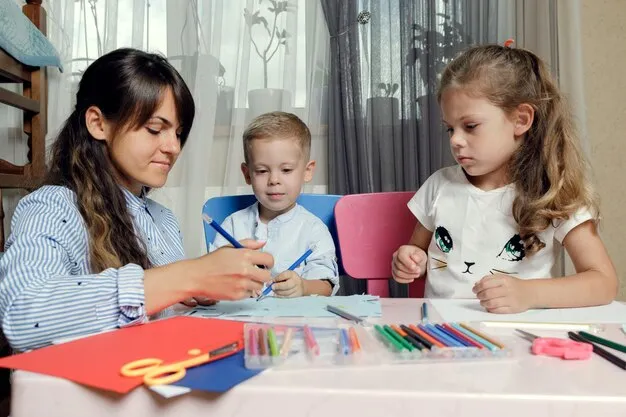
Quick Answer: What Determines School Readiness?
School readiness is not defined by how early a child can read or count.
It’s determined by a combination of:
- Cognitive ability (thinking, problem-solving)
- Emotional readiness (confidence, independence)
- Social skills (interaction, cooperation)
- Physical development (fine motor skills)
A strong early enrichment program builds all of these—not just academic knowledge.
What Is School Readiness?
School readiness refers to a child’s ability to smoothly transition into a structured classroom environment.
It includes:
- Following instructions independently
- Staying focused on tasks
- Interacting positively with peers
- Expressing thoughts clearly
These school readiness skills are deeply tied to child development milestones achieved during early years.
Without the right foundation, children may struggle—not because they lack intelligence, but because they lack learning readiness.
The Role of Early Curriculum in Development
The type of curriculum your child is exposed to shapes how they think, behave, and learn.
A well-designed early childhood curriculum goes beyond memorization. It integrates:
- Structured activities
- Hands-on learning
- Guided problem-solving
According to research-backed approaches like those discussed in this guide on early learning beyond math, early education should nurture both logic and life skills.
Structured vs Unstructured Curriculum
Factor | Structured Curriculum | Unstructured Curriculum |
Learning Approach | Guided, step-by-step | Free play-based |
Skill Development | Balanced cognitive + social skills | Mostly social exposure |
Focus & Discipline | Strong development | Limited consistency |
Academic Readiness | High | Varies widely |
Confidence Building | Gradual and measurable | Depends on environment |
While free play is important, relying only on unstructured learning may delay learning readiness. The right balance is key—but structured programs often provide more consistent outcomes.
Key Skills Children Need Before Starting School
A strong kindergarten math program or early education framework focuses on building a complete skill set.
1. Cognitive Skills
- Number sense and basic logic
- Pattern recognition
- Problem-solving ability
2. Communication Skills
- Expressing needs clearly
- Listening and responding appropriately
3. Social Skills
- Sharing and cooperation
- Understanding group dynamics

4. Emotional Readiness
- Handling small failures
- Building independence
5. Motor Skills
- Holding a pencil
- Basic writing control
These cognitive and social skills are essential—not optional—for a smooth school transition.
How Curriculum Shapes Confidence & Learning Ability
The right teaching method can dramatically influence how a child perceives learning.
Children exposed to structured early learning programs tend to:
- Approach problems with confidence
- Develop consistency in thinking
- Stay focused longer
On the other hand, children without guided learning often:
- Get overwhelmed easily
- Avoid challenges
- Depend heavily on external help
Programs like i-Maths highlight how misconceptions about “just letting kids grow naturally” can limit long-term development.
The truth is simple: confidence is built through guided success, not random exposure.
Signs Your Child Is Ready for School (Checklist)
Here’s a practical checklist parents can use to evaluate school readiness skills:
✅ Attention & Focus
- Can sit and complete a short task (10–15 minutes)
✅ Basic Communication
- Can express thoughts clearly in sentences
✅ Following Instructions
- Can understand and act on 2–3 step instructions
✅ Social Interaction
Comfortable playing with other children
✅ Problem-Solving
Attempts tasks independently before asking for help
✅ Emotional Stability
Can handle small setbacks without frustration
✅ Early Academic Awareness
- Recognizes numbers, shapes, or basic patterns
If your child meets most of these, they are developing strong learning readiness.
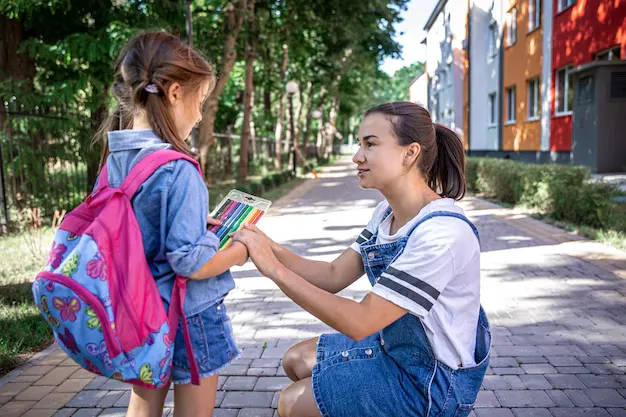
Curriculum Isn’t Just Education—It’s Preparation for Life
School readiness isn’t about pushing children ahead—it’s about preparing them the right way.
A thoughtfully designed early childhood curriculum builds more than just academic ability. It shapes confidence, discipline, and the ability to learn independently—skills that define long-term success.
This is where structured programs like i-Maths play a crucial role. By focusing on holistic development, i-Maths helps children build the exact school readiness skills they need to thrive from day one.
Give your child the advantage of structured learning and strong foundational skills. Enroll them at i-Maths today!
FAQs:
The most important skills include focus, communication, basic problem-solving, and social interaction. These form the foundation for both academic success and classroom adjustment.
Most children benefit from structured early learning programs between ages 3–5. This is when brain development is rapid, making it the ideal time to build foundational skills.
Play-based learning helps with creativity and social skills, but alone it may not build strong academic or focus-related skills. A mix of structured and play-based learning works best.
A kindergarten math program improves logical thinking, number sense, and attention span. These skills directly impact how well a child adapts to classroom learning.
A well-designed early childhood curriculum ensures children achieve key child development milestones on time. It provides structured exposure to skills needed for long-term academic and personal growth.