
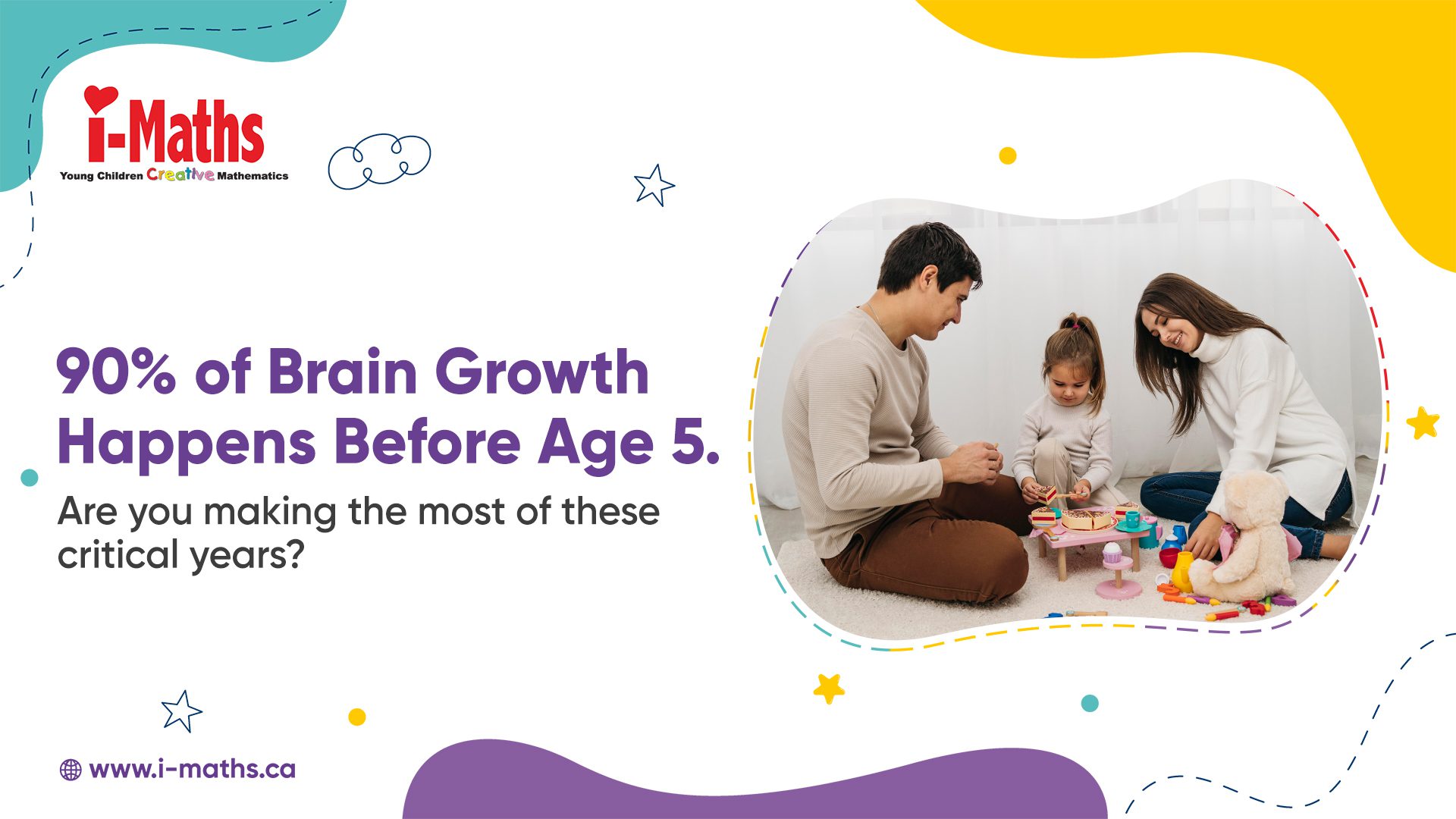
Did you know that nearly 90% of a child’s brain development happens before the age of five?
The brain development in first five years is not slow or passive. It is rapid, dynamic, and deeply influenced by everyday experiences. During this stage, the brain is at its peak neuroplasticity — meaning it can form, strengthen, and reorganize neural connections faster than at any other time in life.
These early years are not just about hitting milestones like walking or talking. They shape the brain’s architecture — the very foundation for thinking, reasoning, memory, focus, and emotional control. Every interaction, every number game, every conversation literally wires the brain.
This is why early education is not “extra.” It is foundational. At programs like i-Maths, structured early numeracy learning is designed to align with how preschool brain growth naturally unfolds — strengthening neural pathways when they are most receptive.
What Happens in a Child’s Brain From 0–5 Years?
The early brain is under rapid construction — building, strengthening, and pruning connections continuously.
Rapid Brain Growth in the First Three Years
By age three, a child’s brain reaches nearly 80–85% of its adult size. Millions of neural connections form every second. This explosive preschool brain growth is driven largely by sensory experiences — what children see, hear, touch, and explore.
This period of early childhood brain development sets the stage for everything that follows.
Critical & Sensitive Developmental Windows
Certain skills have sensitive windows of opportunity:
- Language development peaks early
- Emotional regulation forms through caregiver interactions
- Pattern recognition and logical reasoning begin earlier than many parents realize
When stimulation matches these windows, neural circuits strengthen more efficiently. When it does not, later learning requires more effort.
Brain Architecture: Building the Foundation
The brain develops in layers:
- Lower brain handles survival and sensory processing
- Middle brain manages emotion
- Higher brain controls reasoning, logic, and planning
Early learning experiences strengthen higher-order thinking areas, which are essential for cognitive development for kids.
The Role of Environment in Brain Wiring
Positive “serve and return” interactions — where adults respond to a child’s communication — build strong neural networks. Safe, responsive environments support learning, while chronic stress can weaken brain pathways.
Exposure to language, patterns, and numbers during an early learning program supports healthy neural organization.

Neural Connections & Synaptic Growth Explained Simply
Understanding how neural connections form helps explain why repetition and structured learning matter.
What Are Neurons and Synapses?
Neurons are brain cells that communicate through electrical signals. Synapses act as bridges between them. When children practice a skill — counting, sorting, solving patterns — these bridges strengthen.
Learning literally reshapes the brain.
Synaptic Overproduction in Early Childhood
During early childhood brain development, the brain creates more connections than it ultimately needs. This overproduction provides flexibility and learning potential. However, experience determines which connections survive.
“Use It or Lose It”: Synaptic Pruning
Through repeated engagement, children strengthen:
- Working memory
- Processing speed
- Attention control
- Logical sequencing
- Pattern recognition
These are core elements of cognitive development for kids.
For deeper insights, read this blog that explains the science behind how children learn math.
The Role of Early Learning Programs in Cognitive Development
Not all stimulation produces equal outcomes. Intentional learning accelerates development.
Structured Learning vs Passive Exposure
Passive screen time does not build neural strength. Active engagement does. Guided activities that require focus, participation, and problem-solving improve neural efficiency far more than entertainment-based exposure.
A well-designed early learning program promotes structured thinking instead of random stimulation.
Building Core Cognitive Foundations
Intentional early education builds:
- Concentration span
- Memory retention
- Speed and accuracy
- Logical reasoning
- Problem-solving ability
These skills compound over time and directly support cognitive development for kids.
Early Numeracy and Brain Activation
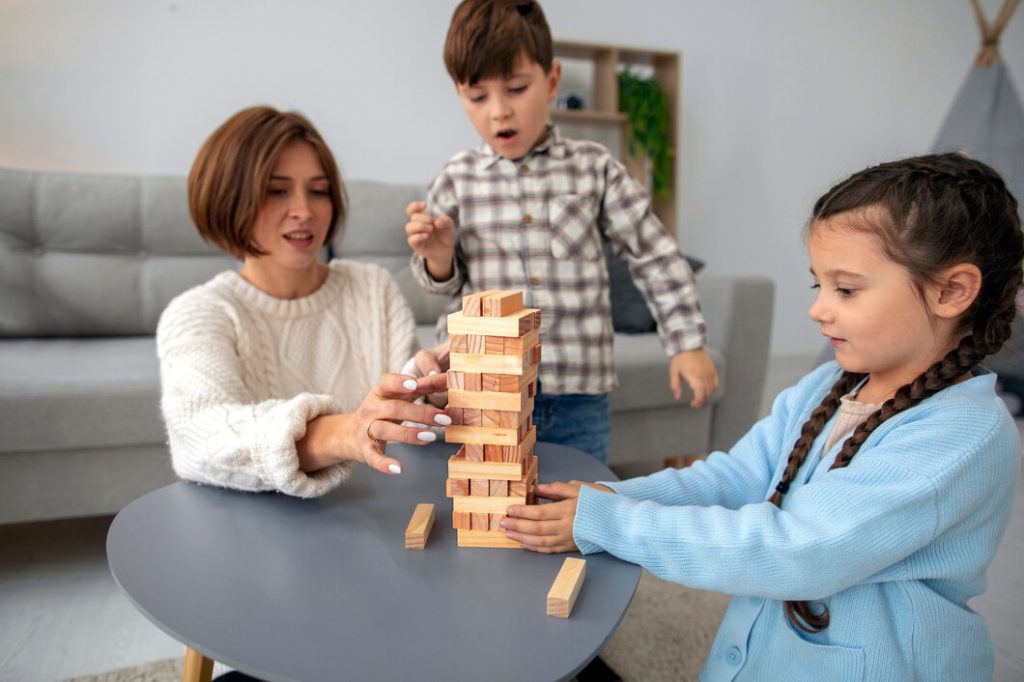
Numbers and patterns strengthen abstract reasoning. Pattern-based exercises enhance neural networks responsible for spatial awareness and visualization.
When children engage in structured numeracy early, it supports long-term preschool brain growth and reasoning abilities.
Emotional & Academic Confidence
Early success builds motivation. Motivation increases engagement. Engagement strengthens learning.
This positive cycle creates academic resilience — a powerful byproduct of strong early childhood brain development.
Benefits of Play-Based & Hands-On Learning at i-Maths
Young children learn best through doing, touching, experimenting, and moving.
Why Play Activates Multiple Brain Regions
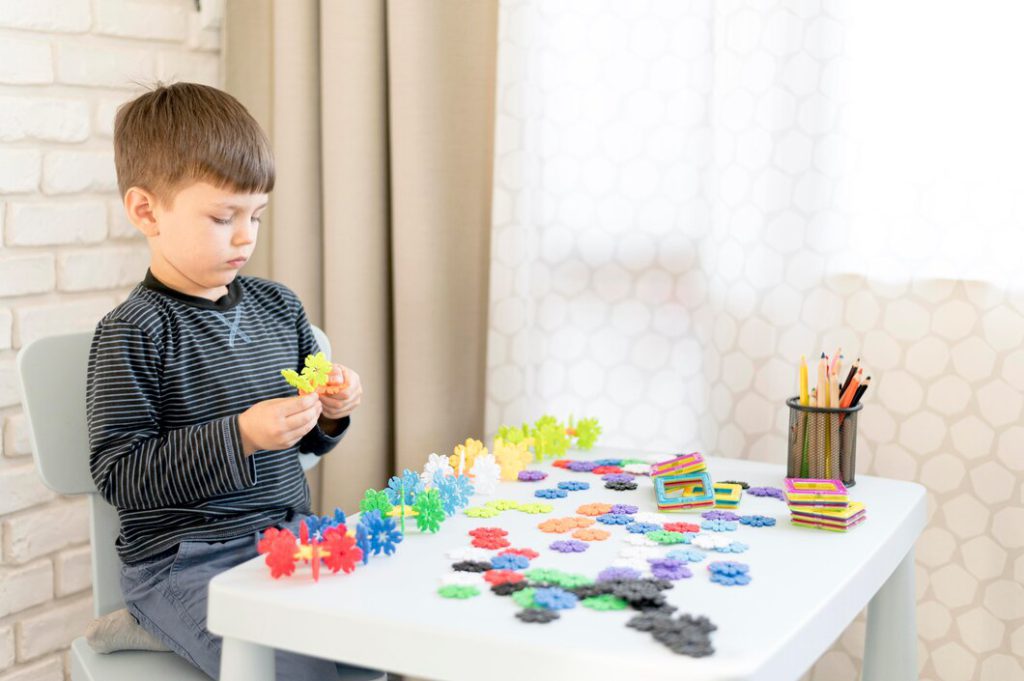
Hands-on activities activate sensory, motor, and cognitive systems simultaneously. Multi-sensory engagement strengthens retention and improves recall.
Hands-On Learning and Executive Function
Play builds executive function skills such as:
- Planning
- Impulse control
- Cognitive flexibility
- Self-regulation
These skills are essential for academic success and long-term adaptability.
Learning Through Exploration & Discovery
Curiosity-driven learning encourages experimentation. Trial and error builds resilience and critical thinking. Research shows that intentional, structured activities support stronger brain growth. We have talked more about this in our blog on kids brain growth post-pandemic.
The Power of Repetition Through Play
Repetition builds automaticity. Automaticity reduces cognitive load. Reduced cognitive load allows children to think at higher levels.
During the brain development in first five years, repetition strengthens essential neural pathways.
The First Five Years Are a Once-in-a-Lifetime Opportunity
Brain development is time-sensitive. The brain development in the first five years shapes neural architecture that lasts a lifetime.
Early learning shapes how children think, process, and respond to the world. Structured stimulation builds strong foundations and prevents the need for remediation later.
Investing in early childhood brain development programs like i-Maths is not about pressure. It is about preparation.
Programs like i-Maths are designed to align with natural preschool brain growth, helping children build strong cognitive foundations when it matters most.
Give your child the advantage of structured early learning during the most critical years of growth. Enroll now at i-Maths and help your child build strong neural foundations.
FAQs:
The brain development in first five years is rapid and highly adaptable, forming millions of neural connections that build the foundation for learning, memory, and emotional regulation.
A structured early learning program strengthens neural pathways through repetition, problem-solving, and active engagement, which enhances cognitive development for kids.
Yes, while genetics play a role, intentional stimulation during early childhood brain development improves processing speed, memory, reasoning, and overall learning potential.
Synaptic pruning is the brain’s process of removing weak connections and strengthening frequently used ones, making early practice essential for efficient thinking.
Absolutely. Hands-on and play-based activities activate multiple brain regions, supporting executive function, attention control, and problem-solving skills.
Parents can encourage meaningful conversations, introduce numbers through patterns and games, limit passive screen time, and enroll children in a structured early learning program to support healthy preschool brain growth.