
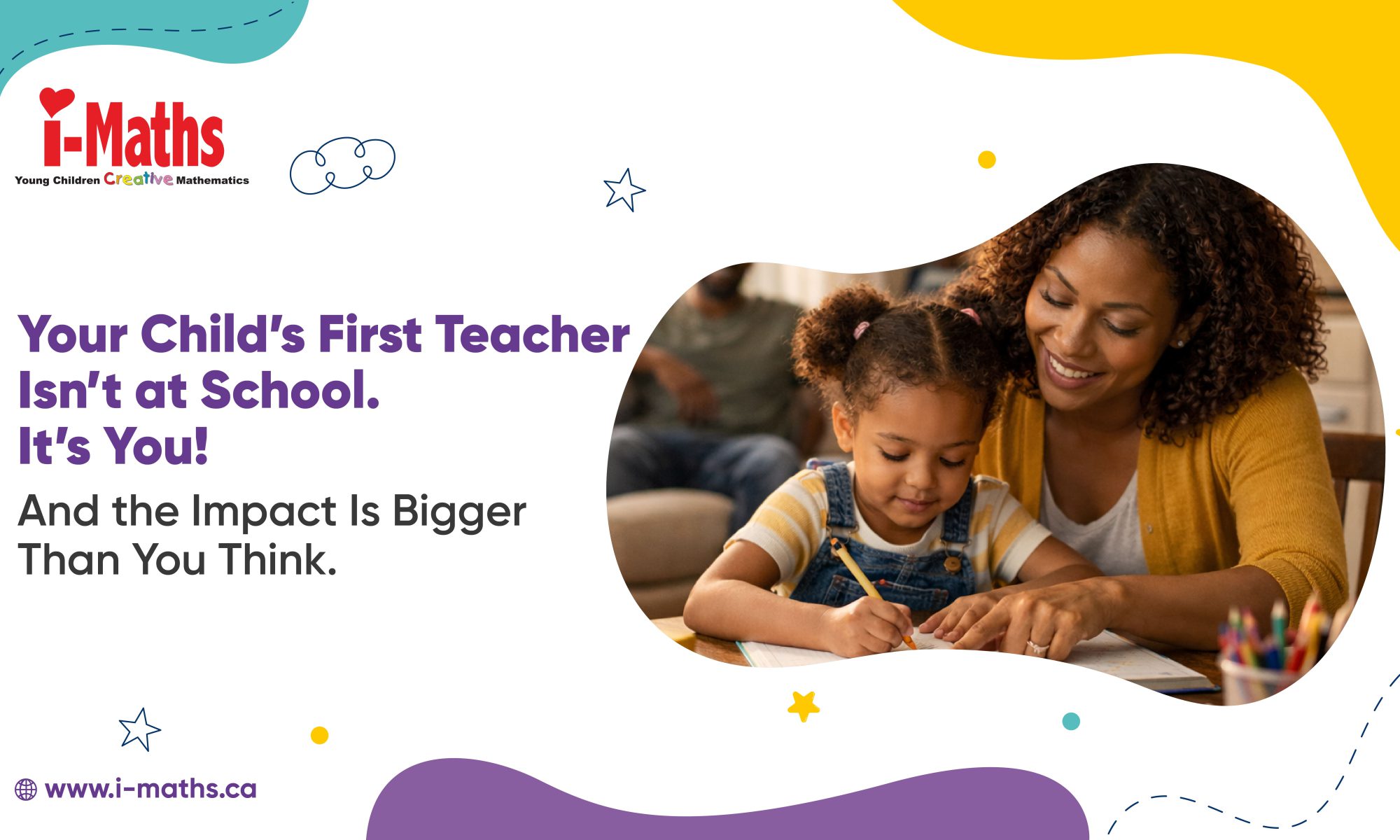
When we talk about early childhood education success, most people immediately think of schools, teachers, or structured programs. But here’s the truth: the most powerful classroom a child will ever have is their home.
From the moment a child is born, learning begins. Conversations at the dinner table. Counting steps on the staircase. Asking “why” a hundred times a day. All of this shapes brain development long before formal schooling begins.
At iMaths, we believe children thrive when learning doesn’t stop at the classroom door. Programs are important, yes. But what truly multiplies results is parent involvement in early childhood education. When parents and educators work together, children don’t just learn — they flourish.
Let’s explore why.

What Is Parent Involvement in Early Childhood Education?
Parent involvement is often misunderstood. It’s not about hovering. It’s not about pushing worksheets. And it’s definitely not about turning your home into a mini school.
It’s about meaningful parental engagement — being actively present in your child’s learning journey.
Active vs Passive Involvement
Passive involvement looks like enrolling your child in a program and hoping for the best.
Active involvement means:
- Asking your child what they learned today.
- Sitting beside them during short practice sessions.
- Encouraging them when they struggle.
The difference may seem small. But over time, it creates a massive impact on school readiness and overall confidence.
Home as the First Classroom
Your home is where curiosity is born.
Simple home learning activities — like sorting laundry by color, measuring flour while baking, or spotting patterns in tiles — build cognitive foundations. These micro-moments are powerful because they’re natural and consistent.
In fact, this is why early experiences matter so much. If you’d like to understand the science behind it, this blog on the importance of early learning explains how foundational years shape long-term outcomes.
School–Parent Partnership
Children thrive when learning at school and learning at home feel connected.
When parents reinforce concepts introduced in structured programs, children develop stronger memory retention and problem-solving skills. It’s not about teaching new content — it’s about reinforcing patterns of thinking.
That alignment dramatically increases the chances of early childhood education success.
How Parent Engagement Impacts Brain Development
Now let’s zoom into the science.
According to the Harvard Center on the Developing Child, early childhood is a period of extraordinary brain plasticity. Neural connections form at an astonishing rate in the early years, creating the architecture that supports learning, behavior, and health throughout life.
In other words, experiences shape the brain.

Early Brain Plasticity
Research from the Harvard Center on the Developing Child shows that positive early experiences strengthen neural circuits, while limited stimulation can weaken them.
This is where parent involvement in early childhood education becomes powerful. Consistent interaction, conversation, and encouragement literally shape how a child’s brain is wired.
The Power of “Serve and Return” Interactions
Harvard researchers describe something called “serve and return.”
A child asks a question (serve).
A parent responds meaningfully (return).
This back-and-forth strengthens brain circuits responsible for language, executive function, and emotional regulation.
When parents respond patiently — instead of dismissing curiosity — they’re building brain architecture. That’s the science behind effective parental engagement.
Building Executive Function and Working Memory
Executive function includes skills like:
- Paying attention
- Managing impulses
- Solving problems
- Following multi-step instructions
These skills are stronger predictors of school readiness than IQ alone.
Structured cognitive programs combined with active parental support in early childhood learning can significantly enhance working memory and focus. When children practise thinking patterns at home, the brain builds stronger neural pathways.
Academic, Emotional, and Social Benefits
So what does all this brain science actually lead to in real life?
Let’s break it down.
Stronger Academic Foundations
Children with high parent involvement tend to:
- Develop stronger early numeracy skills
- Show better reading readiness
- Demonstrate improved problem-solving ability
When parents actively engage in home learning activities, concepts stick longer. Practice becomes enjoyable rather than pressured.
Over time, this consistency translates into measurable success.
Emotional Regulation and Confidence
Children who feel supported at home approach challenges differently.
Instead of saying, “I can’t do this,” they’re more likely to try again.
Parental encouragement builds resilience. And resilience is critical during school transitions. Whether it’s the first day of kindergarten or learning new math concepts, emotional security strengthens performance.
Social Development and Communication Skills
Consistent parental engagement also improves social skills.
Children who experience open communication at home:
- Express themselves clearly
- Handle peer conflict better
- Show empathy and cooperation
These soft skills contribute significantly to overall school readiness.
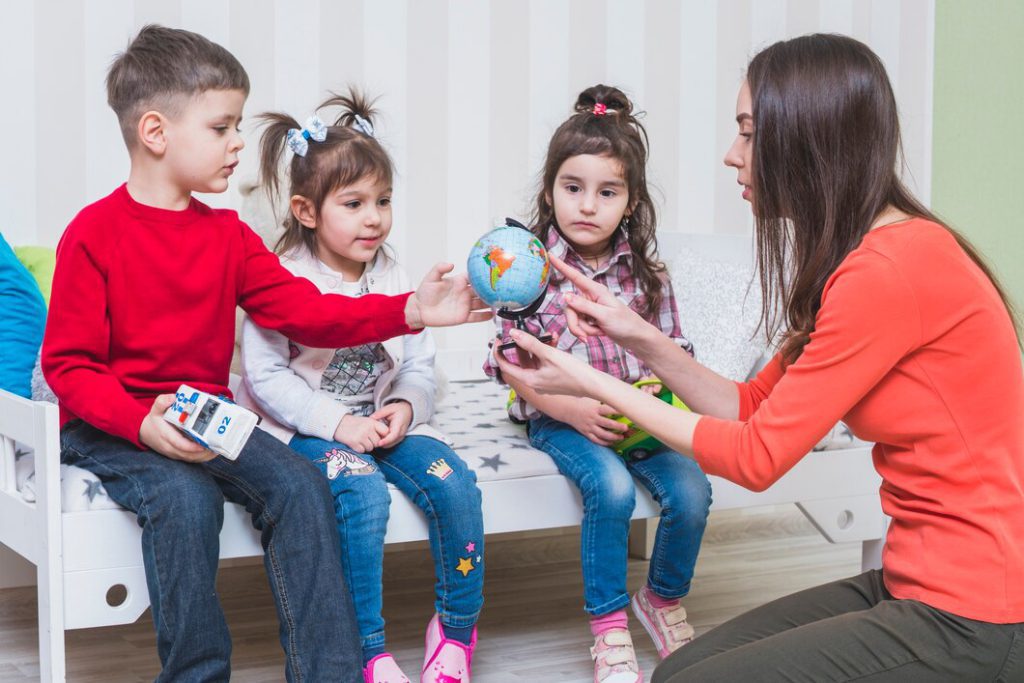
7 Practical Ways Parents Can Support Learning at Home
Here’s the good news: you don’t need fancy materials or hours of time.
Small, consistent actions make the biggest difference.
1. Create a Daily 15-Minute Learning Ritual
Set aside 15 focused minutes daily. No distractions. No phones.
Consistency strengthens neural patterns and supports long-term early childhood education success.
2. Use Everyday Math Moments
Turn grocery shopping into counting practice. Compare prices. Estimate totals.
These natural home learning activities make abstract concepts tangible and fun.
3. Ask Open-Ended Questions
Instead of asking, “Did you finish?” try:
- “How did you solve that?”
- “What would happen if we tried another way?”
This builds reasoning and strengthens executive function.
4. Encourage Productive Struggle
Avoid giving answers immediately.
Let children think. Struggle. Reflect.
Productive challenge builds cognitive stamina — a crucial element of school readiness.
5. Read and Discuss Stories
Reading boosts vocabulary. But discussion boosts thinking.
Ask:
- “What do you think will happen next?”
- “Why did the character do that?”
This strengthens comprehension and imagination.
6. Model Curiosity
Children mirror adults.
If they see you reading, asking questions, and learning new skills, they internalize curiosity as normal behavior.
That modeling reinforces strong parental engagement without even trying.
7. Partner With Structured Cognitive Programs
Finally, combine home effort with structured support.
Programs designed to develop thinking skills amplify the impact of parent involvement in early childhood education. When cognitive exercises at a center are reinforced at home, results accelerate.
Parent Checklist: Are You Supporting Early Learning Effectively?
Use this quick checklist:
✔ I spend at least 10–15 focused minutes daily with my child
✔ I ask open-ended questions instead of giving quick answers
✔ I connect learning to daily life
✔ I encourage effort over perfection
✔ I allow productive struggle
✔ I stay involved in my child’s learning program
✔ I create a positive attitude toward mistakes
If you’re doing most of these, you’re already contributing to strong early childhood education success.
How i-Maths Supports Parents' Efforts to be a Multiplier
Schools teach. Programs guide. But parents multiply.
The science is clear. Research confirms that early interactions shape neural pathways for life. Consistent parental engagement, along with early brain development programs like i-Maths strengthens cognitive, emotional, and social foundations.
When home and structured programs align, outcomes are extraordinary.
At iMaths, we don’t just teach children – we partner with families to build confident thinkers, strong problem-solvers, and resilient learners. Because real school readiness begins long before the first school bell rings.
Enroll your child at i-Maths today and become a partner in your child’s success.
FAQs:
Parent involvement in early childhood education strengthens cognitive, emotional, and social development, helping children build strong foundations that lead to long-term academic success.
Traditional math focuses on listening and repetition, while hands-on math emphasizes doing, exploring, and understandi
Consistent parental engagement improves attention span, problem-solving skills, and emotional regulation — all of which are critical indicators of school readiness.
ng how numbers work through experiential learning.
Parents can support learning through everyday activities like counting objects, reading together, asking open-ended questions, and encouraging children to explain their thinking.
Even 10–15 minutes of focused, distraction-free learning time daily can significantly improve early childhood education success when done consistently.
Yes. Research from the Harvard Center on the Developing Child shows that responsive interactions between parents and children strengthen neural connections during the early years.
Absolutely. Structured learning programs become more effective when reinforced at home through active parental engagement and consistent support.