
Between the ages of 3 and 6, your child’s brain is doing far more than learning colors, letters, or numbers. These years are a powerful brain-building window, when neural connections form rapidly and shape how children think, focus, remember, and solve problems.
This stage of preschool brain development lays the groundwork for lifelong learning. It’s why early education programs like i-Maths focus less on rote academics and more on strengthening thinking skills through structured, play-based learning that aligns with how young brains naturally grow.
In this blog, we’ll explore what’s really happening inside the preschool brain, the most important brain milestones from ages 3–6, and how parents can support healthy cognitive growth at home—without pressure or overwhelm.
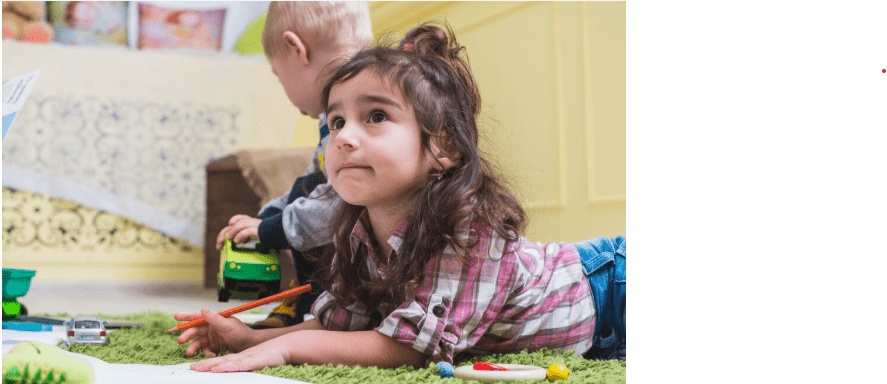
Brain Development Stages From Ages 3–6
Think of these years as building the brain’s “operating system.” This is when focus, memory, emotional control, and reasoning begin to take shape.
Age 3: The Curious Brain Learns Through Patterns
At age three, the brain makes a big leap in language and symbolic thinking. Children engage in pretend play, begin naming and categorizing objects, and show strong curiosity. Attention spans are short, but curiosity is high—learning happens best in quick, playful bursts.
At home, this often looks like constant “why” questions, sorting toys by color, or copying routines they observe. These activities quietly support early preschool brain development by strengthening pattern recognition.
Age 4: The Brain Starts Connecting Ideas Faster
By age four, working memory improves. Children can hold two to three steps in mind, follow simple sequences, and begin noticing cause and effect—“If I do this, that happens.” Logic starts to emerge through play.
Puzzles, simple rules, and turn-taking games all help reinforce these connections, supporting steady cognitive growth during this phase.
Age 5: Executive Function Begins to Lead
At five, executive function—the brain’s “CEO”—starts taking charge. This includes focus, planning, impulse control, and flexible thinking. Children become better at following multi-step instructions and managing emotions during tasks.
Early math readiness also rises here, not through memorization, but through understanding quantity, comparison, and mental flexibility—important brain milestones before formal schooling.
Age 6: Learning Becomes More Structured
By six, attention spans lengthen, and memory retrieval becomes faster. The brain becomes more efficient at problem-solving, especially with guidance. Children are better able to focus, reflect, and apply logic.
This is why school readiness is less about worksheets and more about strong cognitive foundations built during preschool brain development.
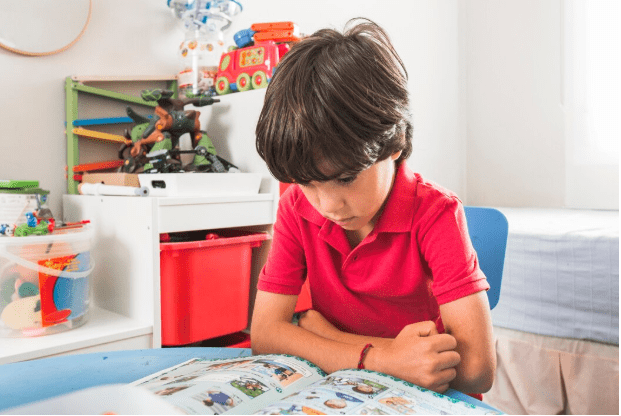
What’s Happening Under the Hood
Your child isn’t just “growing up”—their brain is actively refining how it processes information.
1. Neural Connections: “Use It or Lose It”
Every time a child practices a skill, the brain strengthens the neural pathway connected to it—like paving a road that becomes smoother with use. Repetition matters, but only when it’s engaging.
Playful repetition, rather than drilling, fuels healthy cognitive growth without boredom or stress.
2. Synaptic Pruning: The Brain Simplifies to Get Smarter
As children grow, the brain trims weaker connections and keeps the stronger ones. This process, called synaptic pruning, isn’t loss—it’s optimization.
High-quality experiences matter more than overstimulation. Fewer meaningful activities often support better preschool brain development than too many scattered inputs.
3. Myelination: Speeding Up Brain Signals
Myelin acts like insulation around neural pathways, allowing messages to travel faster and more efficiently. This improves thinking speed, coordination, and focus.
Daily habits like sleep, movement, routines, and consistent learning experiences all support this vital process and help children reach key brain milestones smoothly.
Critical Periods That Matter in Preschool Years
A “critical period” doesn’t mean “now or never.” It means this is a time when certain skills are easier and faster to build.
1. Language & Communication
Vocabulary expands rapidly, sentences grow longer, and storytelling emerges. Children learn best when parents talk with them, not at them.
Open-ended questions encourage expression and strengthen language-based cognitive growth.
2. Executive Function (Focus, Self-Control, Working Memory)
This is one of the most important developmental areas between ages 3–6. Children practice waiting their turn, remembering rules, and switching between tasks.
These skills directly impact learning confidence and attention in school.
3. Visual-Spatial Processing
Visual-spatial skills support reading readiness, early math, navigation, and problem-solving. Activities like blocks, puzzles, copying shapes, and tangrams are especially powerful.
They play a major role in overall preschool brain development.
4. Number Sense & Early Logic
True number sense is about understanding quantity—not reciting numbers. Comparing more and less, grouping objects, recognizing patterns, and sequencing events build strong early logic.
This foundation supports later math success and healthy cognitive growth.
5. Emotional Regulation + Learning
memory. Calm routines and predictable environments help the brain stay receptive to learning.
Emotional regulation is one of the most overlooked but essential brain milestones in early childhood.

When Structured Programs Like i-Maths Support Your Preschooler’s Brain
Some children thrive with home-based play, while others benefit from guided, progressive skill-building.
If your child struggles with focus, frustration tolerance, following steps, or basic reasoning patterns—or avoids thinking tasks altogether—it may be time for additional support.
Structured learning can guide preschool brain development in a balanced way.
The right program should be play-based yet structured, build memory, attention, and logic (not rote worksheets), and encourage confidence and problem-solving habits.
Active engagement is key. Research on the power of active learning in cognitive growth shows that children learn best when they think, do, and reflect—not when they passively absorb information.
Where i-Maths Fits
i-Maths supports early thinking through age-appropriate cognitive activities that strengthen number sense, logic, memory, and focus. The approach is structured yet fun, helping children enjoy challenges rather than fear them.
Make the Most of Ages 3–6 (Your Child’s Foundation Years)
You don’t need perfection—just consistency. The preschool years are about building confidence, curiosity, and strong thinking habits that last.
When preschool brain development is supported early, children gain better focus, stronger problem-solving skills, and a positive relationship with learning.
If you’re looking for a structured, brain-friendly way to support your child’s cognitive growth during these crucial years, enroll them in the i-Maths program to help them reach key brain milestones with confidence and joy.
Because how they learn today shapes how they succeed tomorrow.
FAQs:
Preschool brain development refers to how a child’s brain grows and organizes thinking, memory, attention, and emotional regulation between ages 3–6, laying the foundation for lifelong learning.
During early childhood, the brain forms and strengthens neural connections rapidly, making it easier to build core cognitive skills like focus, problem-solving, and reasoning.
Important brain milestones include improved attention span, working memory, language development, emotional control, number sense, and early logical thinking.
Yes—simple activities like puzzles, storytelling, open-ended conversations, movement, and consistent routines strongly support healthy cognitive growth.
Active learning engages multiple parts of the brain at once, helping children form stronger connections and retain information more effectively than passive learning.
If a child struggles with focus, frustration, or early reasoning skills, structured programs like i-Maths can support brain development through guided, age-appropriate cognitive activities.